
Lower heating and cooling bills
Ceiling insulation alone can cut heat loss by up to 45 percent in winter. Adding underfloor batts stops cold air rising through suspended timber floors, reducing the workload on heaters and air conditioners.
Kooyong
Bulk insulation traps still air to slow heat flow through ceilings, walls and floors in Kooyong homes. We install glasswool, polyester and rockwool batts to the R-value that suits your house and budget.
Share your details and Expert Insulation Melbourne will contact you about Bulk Insulation in Kooyong.
Bulk insulation uses batts or rolls of glasswool, polyester or rockwool to resist heat flow by trapping still air. In Kooyong’s older weatherboard and brick homes it is the most effective way to cut winter heat loss through ceilings and cold floors from uninsulated subfloors. It also softens summer heat gain when paired with reflective foil in the roof space.
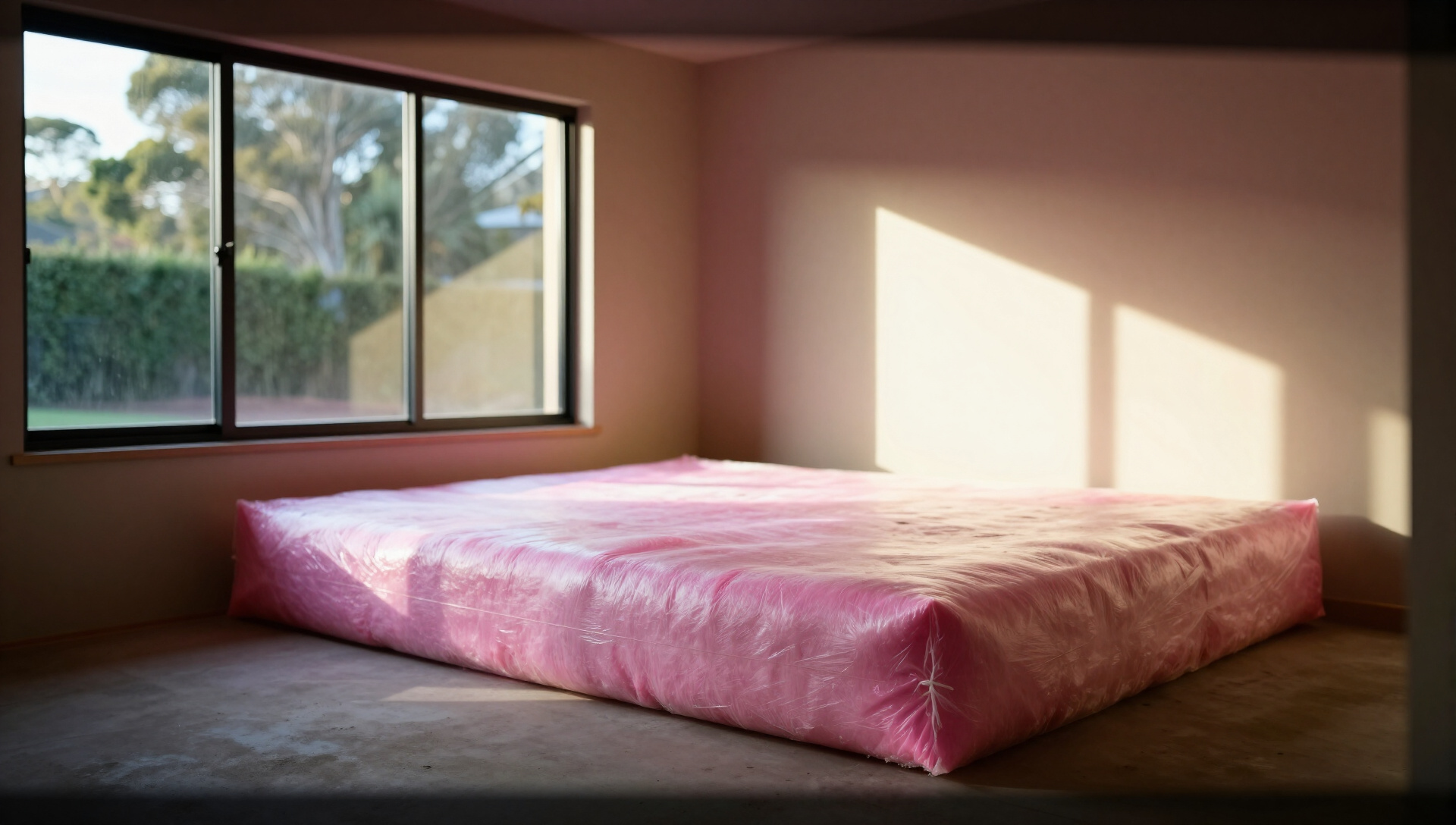
Kooyong’s mix of weatherboard, double brick and brick veneer homes often lack sufficient insulation, leading to high heating costs in winter and overheated rooms in summer. Bulk insulation addresses these issues directly.
Ceiling insulation alone can cut heat loss by up to 45 percent in winter. Adding underfloor batts stops cold air rising through suspended timber floors, reducing the workload on heaters and air conditioners.
Bulk batts in ceilings and walls slow the movement of heat, keeping living areas warmer in winter and cooler in summer without the spikes and drops that force systems to run constantly.
Dense batts absorb airborne noise, so you hear less traffic from Glenferrie Road and less echo between internal walls. Acoustic batts can be used in internal walls for extra sound control.
Properly installed bulk insulation with a vapour barrier reduces the risk of condensation in roof spaces and wall cavities, protecting timber frames and plaster from moisture damage.
Glasswool and rockwool batts are non-combustible, adding a layer of fire resistance in ceilings and walls. Polyester batts are treated to be fire retardant.
Bulk insulation does not settle or degrade over time if installed correctly. It requires no maintenance and lasts the life of the building, provided it stays dry and undisturbed.
We begin with a roof space and subfloor inspection to check access, existing insulation and any issues like old compressed batts or ceiling dust. Then we plan the R-value and product that fits your home and budget.
We measure the area, note the construction type and identify obstacles such as downlights, flues, cables and stumps. If old batts may contain asbestos, work stops until a qualified assessor inspects them.
Thin, compressed, wet or rodent-damaged batts are removed and disposed of. Loose material and ceiling dust are extracted with industrial vacuums to create a clean space for new insulation.
Batts are cut to fit snugly between ceiling joists, wall studs or floor joists without gaps or compression. We maintain clearances around heat sources and ensure no insulation covers soffit vents or eaves.
We check for and seal any large gaps around pipes, cables and corners with appropriate tape or foam. The manhole is refitted and the site is left clean, with all offcuts removed.
Kooyong’s period homes and interwar bungalows often have uninsulated ceilings and suspended timber floors, leading to cold winters and hot summers. Bulk insulation in ceilings, walls and underfloors directly addresses these issues, cutting energy use and improving comfort year round. Many homes near Glenferrie Road also benefit from acoustic batts in internal walls to reduce traffic noise.
Bulk insulation for weatherboard, brick and brick veneer homes in Kooyong to cut heating costs and summer heat gain.
Homeowners in Kooyong often ask about R-values, access, time on site and whether existing insulation can be topped up. Here are the answers.
Kooyong homeowners looking to reduce heating and cooling costs and improve year-round comfort choose bulk insulation. Glasswool, polyester and rockwool batts are installed in ceilings, walls and under suspended floors to resist heat flow by trapping still air. This slows winter heat loss through uninsulated ceilings and stops cold air rising through floorboards, cutting energy use and running costs for heaters and air conditioners.
In Kooyong’s older weatherboard and brick homes, ceiling insulation is the first priority because up to 45 percent of heat escapes through the roof space. Underfloor insulation is the next step for homes with stumps and bearers, as cold air can enter the living areas through gaps in the floor. Wall insulation is added during renovations or when cladding is removed, using batts fitted between studs to reduce heat transfer through brick veneer or weatherboard walls.
The R-value measures thermal resistance, with higher numbers providing better performance. Ceilings commonly use R4.0 to R6.0 batts, walls R2.0 to R2.7, and underfloors R1.5 to R2.5. Cost depends on the area to cover, roof pitch, access, whether old insulation needs removal, and the chosen R-value. A typical Kooyong home can often be completed in a day, with minimal disruption and no need to leave the property.
Call Expert Insulation Melbourne on 0399695249 or email info@expertinsulationmelbourne. com. au for a quote on bulk insulation for your Kooyong home.